|
|
Electric
hydraulic noodle maker 110V
|
 |
|
Product Overview |
|
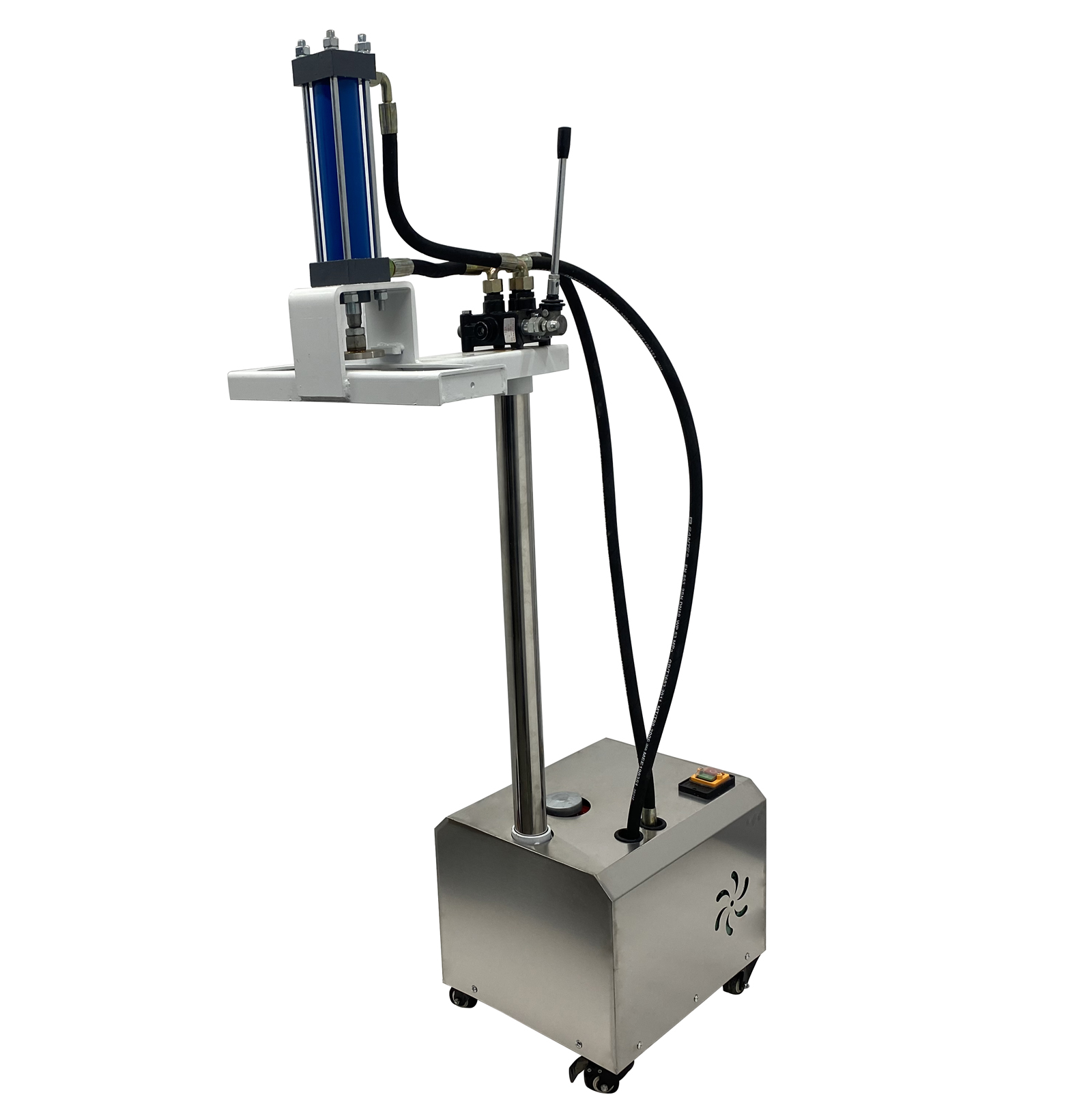
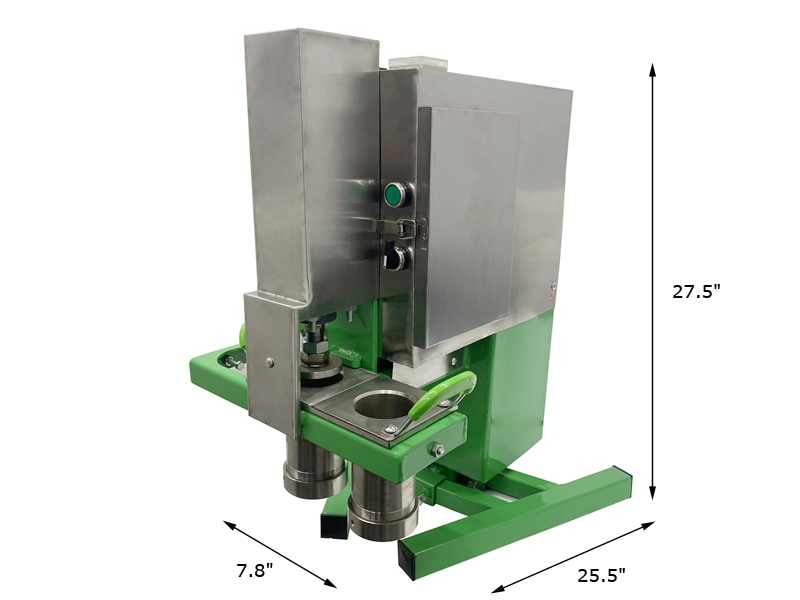
This ramen
machine is a professional food processing device designed for making
fresh ramen noodles efficiently. It integrates mixing, kneading, and
extruding functions, suitable for home kitchens, small restaurants,
and snack bars. The machine features a compact structure, simple
operation, and adjustable parameters to meet different taste
requirements for noodle thickness and texture. |
Parameters |
|
Power Supply
|
110V |
|
Rated Power |
2.5kW
|
|
Capacity
|
2 bowls/10 seconds
|
|
Noodle Thickness
|
Round noodles:1.5mm/2.5mm/4mm
wide noodles:8mm/15mm
|
|
Operation
|
|
Precautions
-
Single-phase motors generate
static electricity during operation. Before using this machine,
connect the ground wire first.
-
Before starting the machine
each time, check that all position screws are tightened and no
loosening is allowed.
-
Use 6-7 liters of hydraulic
oil before use. Do not start the machine without adding oil.
-
Before use, check the wiring
head. Electrical components should be free of damage, leakage,
and oil leakage. Do not start the machine if not checked.
-
For the flour or starch used
in processing noodles or vermicelli, it should be mixed evenly
according to the filling ratio requirements. Do not allow dry
and hard dough pieces to be put into the machine to prevent
blockage of the outlet hole, causing the machine to overload,
damage machine parts, or burn the motor.
Preparation
Work
-
Check whether all parts of
the equipment are in good condition, whether the hydraulic
pipelines have oil leakage, and whether the mold is installed
firmly.
-
Add 6-7 liters of qualified
hydraulic oil to the hydraulic system (damage caused by starting
the machine without adding hydraulic oil is not covered by the
warranty).
-
Connect the equipment's
ground wire to ensure electrical safety.
-
Cut the dough without hard
lumps or dry powder into dough pieces that fit the mold size for
later use.
Startup
Operation
-
Connect the power supply,
turn on the power switch of the control panel, and the equipment
enters the standby state.
-
Put the prepared dough pieces
into the feeding area above the mold, ensuring the dough is
centered.
-
Press the pressure rod, the
hydraulic cylinder drives the mold to move downwards, and the
dough is extruded into noodles through the mold and
automatically falls down.
-
After pressing, lift the
pressure rod and cut off the noodles.
Shutdown
and Cleaning
-
After the work is finished,
turn off the power switch and disconnect the power supply.
-
Timely clean the dough
residues on the mold and the equipment surface. A damp cloth can
be used for wiping (note: avoid water entering the hydraulic
system and electrical components).
-
When not in use for a long
time, it is recommended to apply a small amount of edible oil to
the surface of the mold for rust prevention.
|
|
Precautions |
-
Safe Operation: When the
equipment is running, it is strictly forbidden to extend hands
or foreign objects into the pressing area. The single-phase
motor will generate static electricity during operation, so the
ground wire must be connected.
-
Material Requirements: The
dough must be kneaded evenly. It is forbidden to fill dry, hard
or lumpy flour into the feed inlet to avoid blocking the mold or
burning the motor.
-
Equipment Maintenance: Before
starting the machine each time, check whether all position
screws are tightened and whether the bearing lubrication is
good; avoid long-term idling after filling materials, and turn
off the power in time when stopping work.
-
Troubleshooting: In case of
abnormal noise, oil leakage, unstable pressure, etc., stop the
machine immediately for inspection. Non-professional personnel
are not allowed to disassemble the equipment without
authorization.
|
|
Special Reminder |
-
When kneading dough, the
ratio of 1kg flour to 0.5kg water must be strictly followed
(equivalent to the softness of handmade noodles). Only when the
kneaded dough reaches the right consistency and has a smooth and
bright surface can production and processing begin.
-
When pressing dough each
time, the dough cylinder must be pushed into place; otherwise,
the dough cylinder will be crushed or the machine will be
damaged.
-
Do not start the machine by
pressing the button without adding oil, otherwise the oil pump
will be damaged.
-
If static electricity is
generated during machine operation, such as a tingling sensation
in the hand, please switch the neutral and live wires of the
plug or socket, and the static electricity can be eliminated.
It is Strictly Forbidden to Start the Motor Before Adding Hydraulic
Oil.
Note: Starting the motor without adding hydraulic oil will cause
damage to the oil pump.
|
|
Detail Display |
|
 |
No.1
Water-proof switch
Switch waterproof design, more safety. |
|
No.2
Five kinds of mould
Five molds can make five
different kinds of noodles. |
 |
|
 |
No.3
Stainless steel noodle barrel
Ramen bucket with handle,
more convenient and labor-saving. |
|
Product Display |
 |
 |
 |
 |
|
Item Number
(020430):Electric
hydraulic noodle maker 110V |
|
You can make order with
no worry.
Any concern just feel free to let us know, we'll reply in 24 hours
in normal condition.
Handling Time: Shipping is usually made in 1-3 business days after
payments cleared. Orders are processed from Monday-Friday; Not on
the weekends & public holidays.
Warranty: 6 months' warranty for the machines, not for the
consumables.
We stand behind our products all the item, so even if your warranty
period has expired, you can still seek for service or technical
support from us with low cost. |
|